
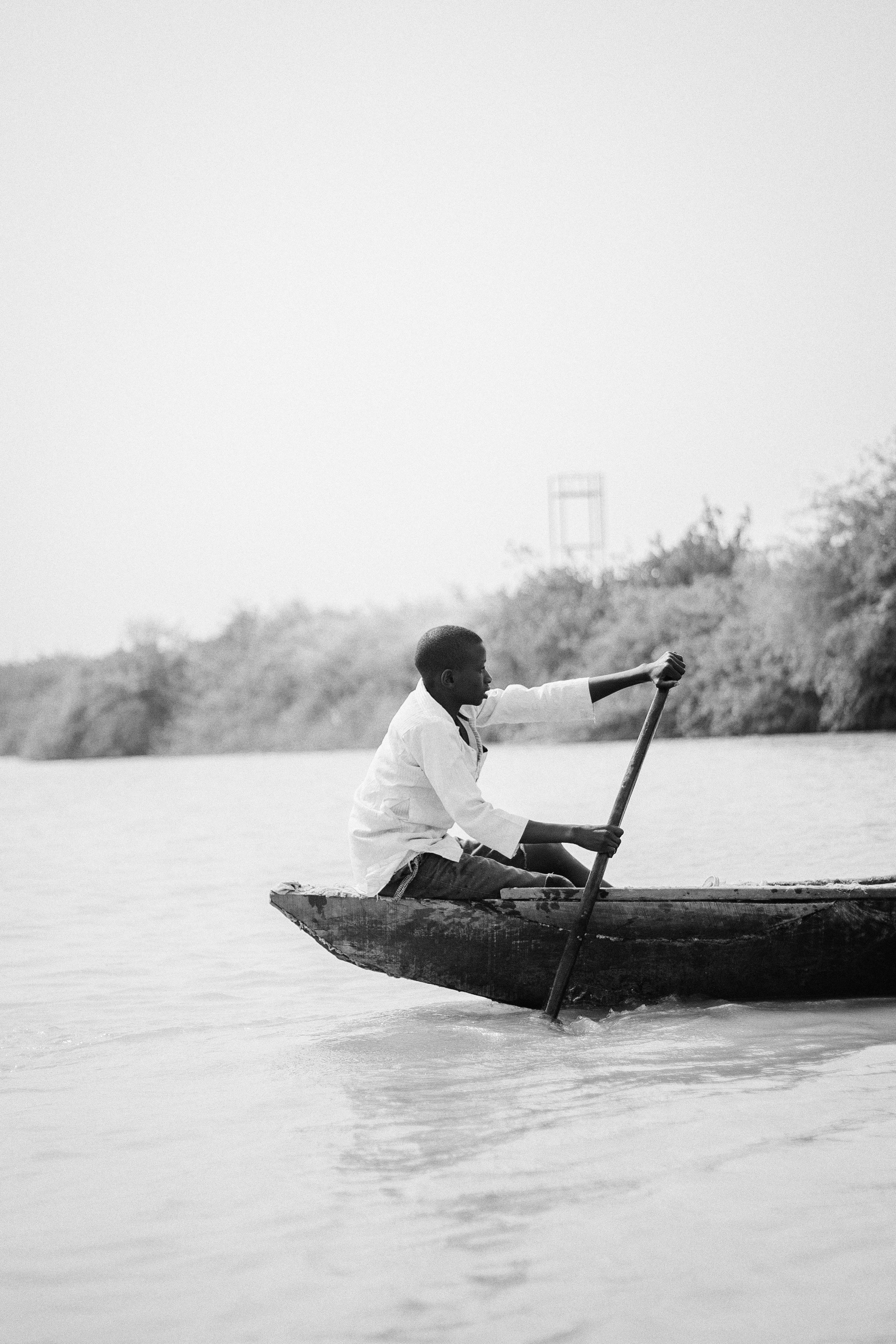
How to Turn Impact Data Into Human Stories
It All Begins Here
Impact data matters. But numbers rarely move people on their own.
For NGOs, foundations, social enterprises, health organisations, and impact investors, the challenge is not only collecting evidence. It is helping people understand what that evidence means in real life: for a family, a founder, a patient, a farmer, a child, a community, or a system that is slowly beginning to shift.
This is where impact storytelling becomes powerful.
At Firefly, we call this evidence-led storytelling: the work of connecting data, fieldwork, and lived experience to human stories people can see, feel, remember, and use.
It is not about replacing the numbers. It is about giving them context, dignity, and human meaning.
What is impact data storytelling?
Impact data storytelling is the process of turning outcomes, research, field evidence, monitoring data, and lived experience into clear stories that help people understand change.
For an organisation, that data might include:
the number of people reached
the services delivered
the communities served
the outcomes tracked
the businesses supported
the patients followed up with
the farmers connected to markets
the children kept in school
the households made more financially resilient
But data alone often leaves important questions unanswered.
What did the change feel like?
Who was affected?
What problem was being solved?
What system made the work necessary?
What did the field actually look like?
What would someone miss if they only read the report?
Good impact storytelling sits in that space between evidence and experience.
Start with the evidence
Strong storytelling does not begin with a camera. It begins with understanding the work.
Before filming or photographing, an organisation should ask:
What are we trying to show?
What has changed?
Who is being reached?
What does the data tell us?
What does the data leave out?
What is the human story behind this outcome?
This is especially important for NGOs, foundations, and impact investors because the work is often complex. A programme may involve behaviour change, access to care, financial resilience, market systems, education, housing, livelihoods, or public health.
Those things are not always easy to see in one image.
That is why the first step is not simply finding a “good story.” It is understanding what the evidence is pointing toward.
Look for the system, not just the person
One of the mistakes in traditional nonprofit storytelling is making one person carry the weight of an entire issue.
A mother becomes the whole health system.
A farmer becomes the whole agriculture story.
A child becomes the whole education crisis.
A founder becomes the whole entrepreneurship ecosystem.
That can be emotionally powerful, but it can also flatten people.
A better approach is to show the person and the system around them.
Who are they connected to?
What barriers are they navigating?
What infrastructure supports or fails them?
What relationships make the work possible?
What daily routines reveal the impact?
What small details make the bigger story visible?
In visual impact reporting, those details matter.
The shop counter.
The receipt.
The waiting room.
The phone call.
The produce being sorted.
The school uniform.
The road to the market.
The health worker’s notebook.
The founder’s desk.
The queue, the hands, the tools, the quiet architecture of daily work.
These are not background details. They are evidence.
They help people see the conditions around the outcome.
Translate outcomes into moments
Impact often becomes visible through ordinary moments.
A patient receiving a reminder that helps them stay on treatment.
A tenant paying rent in a way that matches how they actually earn.
A farmer selling produce through a fairer market.
A parent finding a way to keep a child in school.
A founder building a service around a local problem.
A health worker following up with a family.
A customer using a product that makes life slightly easier, clearer, or safer.
These moments do not replace the numbers. They help explain them.
A report might say that a programme improved access, increased income, supported retention, or reduced missed appointments. A story helps people understand what that looks like in real life.
This is where documentary film and photography can do something that a spreadsheet cannot.
They can show texture, emotion, environment, body language, context, contradiction, and care.
Make the story useful
A good impact story should be beautiful, but it also needs to be useful.
For most organisations, storytelling has a job to do. It may need to support:
impact reports
donor engagement
fundraising campaigns
investor updates
grant applications
board presentations
websites
social media
public awareness
community screenings
internal learning
That means the story should be shaped with the final use in mind.
A single field visit can produce many different assets: a short film, founder portraits, documentary photography, captions, interview quotes, reels, campaign images, website visuals, report photography, and field notes.
This is where visual impact reporting becomes more strategic than simply “getting content.”
The goal is not to leave an organisation with a folder full of beautiful images they do not know how to use. The goal is to create a story system: visuals, language, and human evidence that can support the organisation across different platforms and audiences.
Protect dignity
The goal of impact storytelling is not to extract emotion.
It is to carry truth with care.
That means thinking carefully about consent, context, language, power, and representation. It means asking whether the person being photographed or filmed would recognise themselves in the story being told. It means avoiding poverty theatre. It means not making people look smaller so the organisation can look bigger.
Dignity is not a soft extra. It is part of the work.
People are not proof points. They are not props for reports. They are not just “beneficiaries.” They are full human beings living inside systems, relationships, histories, hopes, pressures, and decisions.
The strongest impact stories do not reduce people to numbers. They also do not reduce them to pain.
They show people with context.
Bring data, fieldwork, and story together
The most effective impact storytelling brings three things together:
Data
The numbers, outcomes, patterns, and evidence behind the work.
Fieldwork
The place, people, systems, relationships, and lived conditions around the work.
Story
The human moments that help audiences understand why the work matters.
When these three things are connected, organisations can communicate impact more clearly. Donors understand the work better. Teams can explain their value with more confidence. Communities are represented with more care. Reports become more human. Campaigns become more grounded.
This is the difference between content and storytelling.
Content fills space.
Story creates understanding.
A better way to make impact visible
Many organisations are sitting on powerful evidence: reports, dashboards, field notes, interviews, photos, programme data, and community knowledge.
But the story is often scattered.
It lives in folders, phones, spreadsheets, grant reports, WhatsApp updates, and the memories of people in the field.
Impact storytelling helps bring that material together.
It asks:
What is the evidence?
What is the human truth behind it?
What needs to be seen?
What needs to be protected?
What does the audience need to understand?
What form should the story take?
Sometimes the answer is a film. Sometimes it is photography. Sometimes it is a visual impact report, a story bank, a campaign package, a founder profile, a donor presentation, or a set of field portraits.
The form matters less than the intention.
The work should help people see impact clearly, without losing the dignity of the people at the centre.
Final thought
Impact data tells us that something is happening.
Human stories help us understand why it matters.
When the two are brought together with care, organisations can communicate their work more honestly, fundraise more clearly, and build deeper trust with the people they serve and the people they hope to move.
At Firefly Collective, we create evidence-led films, photography, campaign assets, and visual impact stories for organisations working across Africa.
We help connect data, fieldwork, and lived experience to real human stories, shaped with dignity, context, and care.
Need help turning impact data into human stories?
Firefly works with NGOs, foundations, health organisations, social enterprises, and impact investors to create documentary films, photography, campaign assets, founder stories, and visual impact reporting.
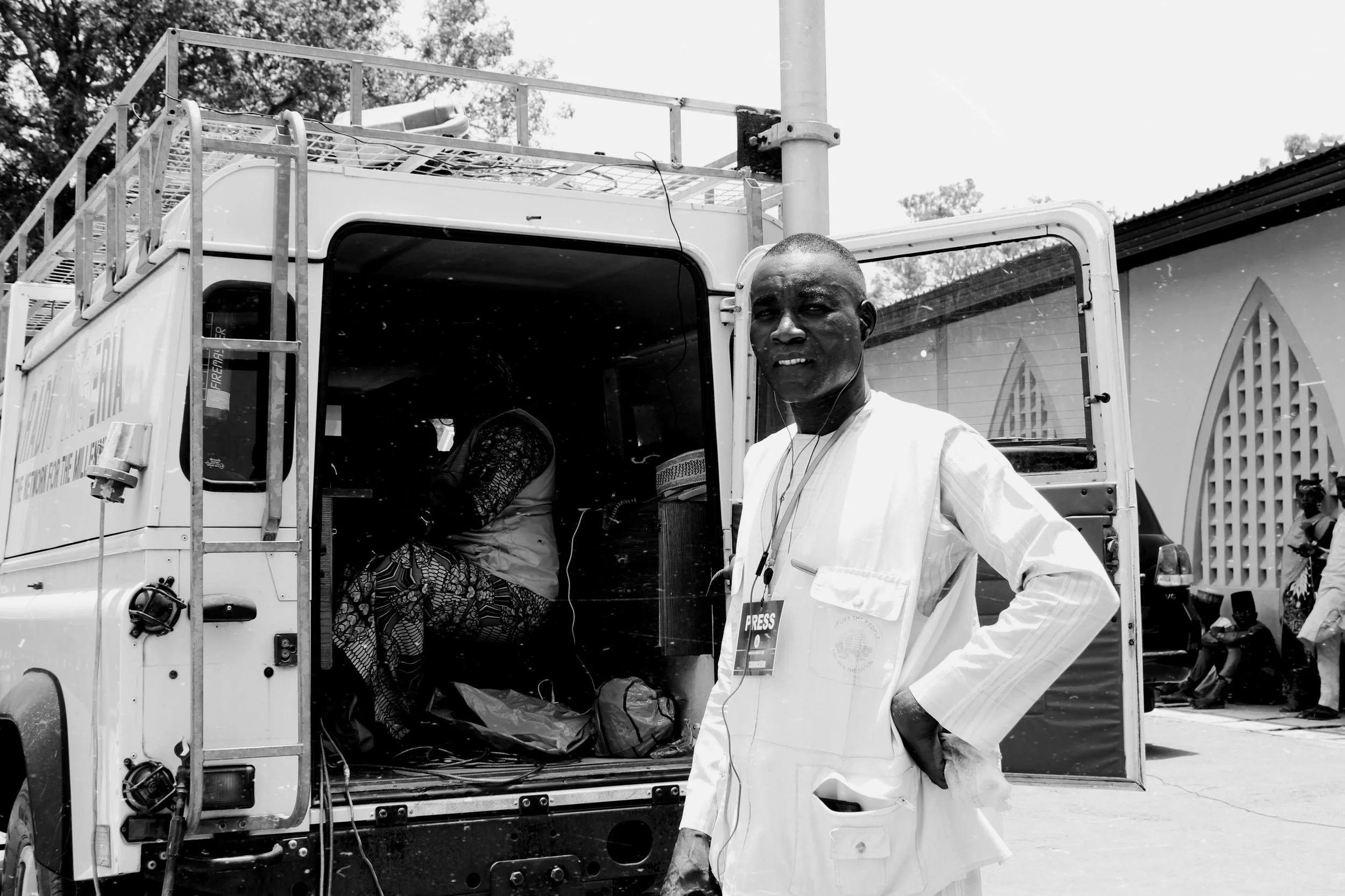
Why Storytelling Matters for NGOs and Organizations Creating Change in Africa
Why storytelling matters for NGOs and social impact organizations in Africa, and how film and narrative can help communicate impact, build trust, and inspire support.
Meaningful work happens every day across Africa, but too often, the stories behind that work do not travel far enough. Hospitals, nonprofits, and social ventures may be creating real impact, yet reports and statistics alone rarely help people feel its depth. Storytelling closes that gap. It helps people see the human side of the work and understand why it matters.
A strong story can build trust, invite support, and make impact more tangible. Through film, photography, and thoughtful narrative, organizations can communicate not just what they do, but what that work feels like in the lives of the people they serve. This is especially important in a world where attention is limited and connection matters more than ever.
At Firefly Collective, we believe storytelling should be rooted in dignity, clarity, and care. The goal is not just to document change, but to help others see it, feel it, and respond to it. When stories are told well, they can move people toward deeper understanding, stronger partnerships, and meaningful action.
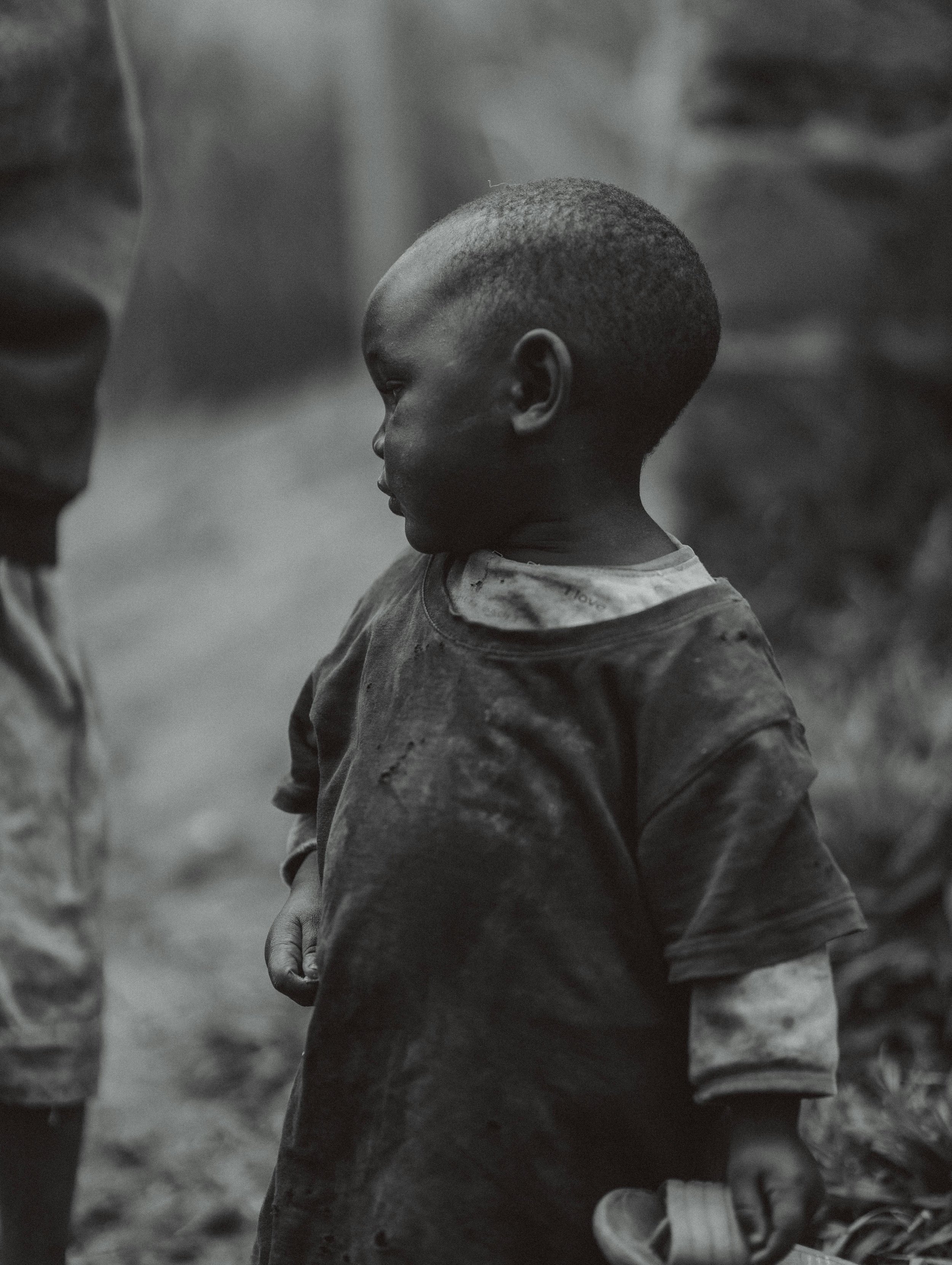
What Makes a Powerful Impact Story
It All Begins Here
Organizations working to create change often focus on communicating their results through numbers — patients treated, schools built, families served. These metrics matter, but they rarely capture the full depth of what the work means for the people involved.
Impact stories help bridge that gap. They allow organizations to show the human experience behind their mission and help others understand why the work matters.
A powerful impact story does more than describe a program. It reveals the people, moments, and environments that shape real change.
Start With People, Not Programs
The strongest stories begin with individuals.
Rather than explaining a project in abstract terms, focus on the people whose lives intersect with the work — patients, teachers, community leaders, families, or staff members.
Their voices provide authenticity and perspective. When audiences hear directly from someone experiencing the impact, the story becomes more relatable and memorable.
Programs may create the structure, but people bring the story to life.
Show the Environment
Where a story takes place matters.
A hospital ward, a schoolyard, a rural clinic, or a busy city street all carry visual and emotional context. These environments help audiences understand the realities surrounding the work.
Film and photography are especially powerful tools for capturing these details — the textures, sounds, and everyday moments that shape a place.
This sense of environment grounds the story in reality.
Focus on Change
At the center of every strong impact story is transformation.
This does not have to be dramatic. Often the most powerful changes are quiet and gradual — improved access to care, a new opportunity for education, a community coming together to support one another.
What matters is showing movement from one moment to another.
Audiences connect with stories when they can see how something has changed.
Tell Stories With Dignity
Impact storytelling carries responsibility.
Too often, development narratives rely on images of crisis or suffering to capture attention. While challenges should not be hidden, stories that focus only on hardship can reduce people to symbols rather than individuals.
Ethical storytelling centers dignity and agency. It shows individuals as participants in shaping their futures and recognizes the strength of communities working toward change.
When stories are told with respect, they build deeper understanding and trust.
Why Impact Stories Matter
Organizations doing meaningful work deserve stories that reflect the depth and complexity of what they are building.
Impact storytelling allows that work to travel further — helping partners, donors, and supporters understand not only what an organization does, but why it matters.
When stories are crafted thoughtfully, they can illuminate the everyday efforts that quietly shape stronger communities.
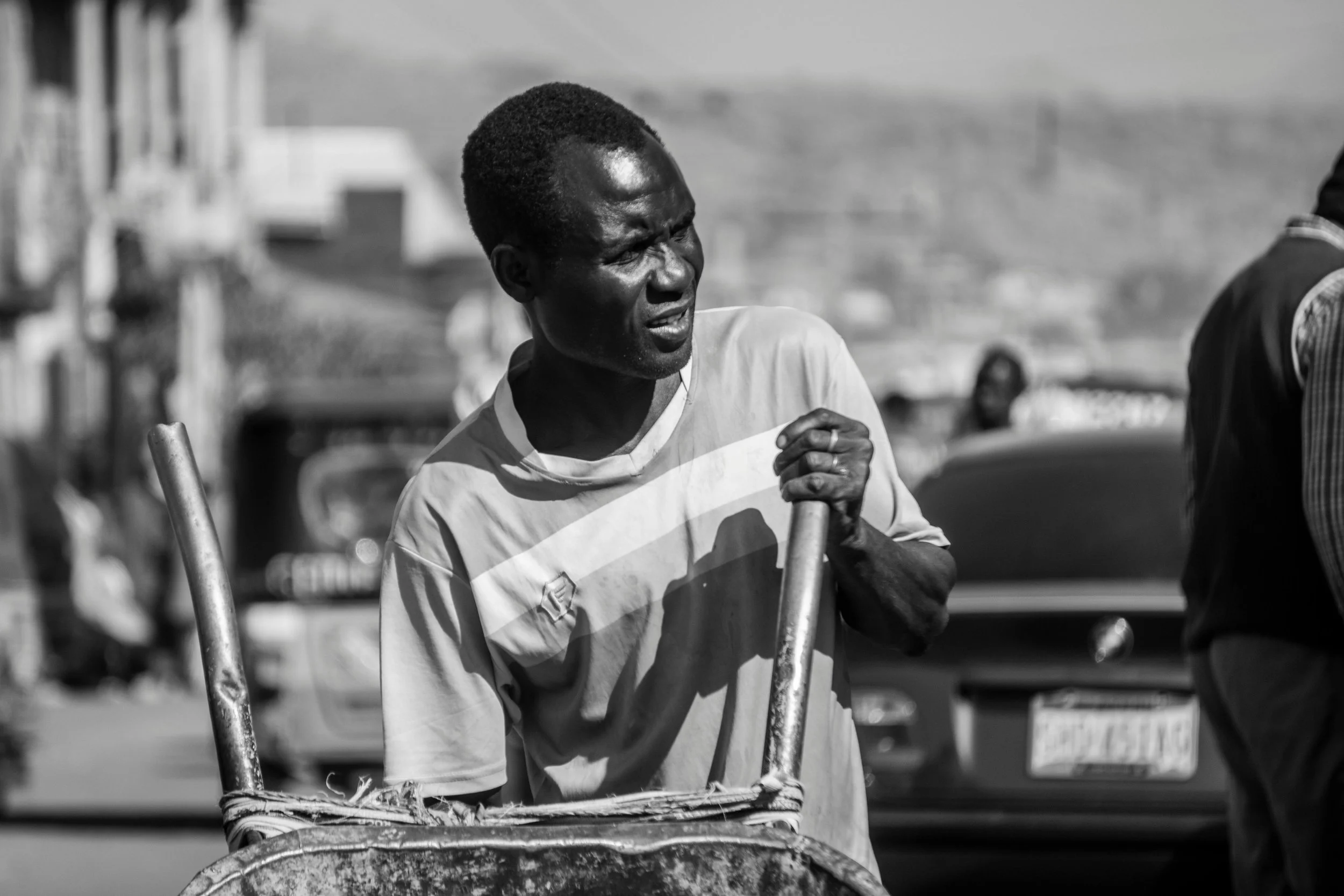
How NGOs Can Use Film to Raise More Funding
It All Begins Here
Organizations working to create change often rely on reports, presentations, and written updates to communicate their impact. While these tools are important, they rarely capture attention in the way a well-told story can.
Film allows organizations to bring their work to life. Through voices, faces, and environments, it creates a direct connection between the people doing the work and those who want to support it.
For many nonprofits, a short film can become one of the most powerful tools in their fundraising efforts.
Film Makes Impact Visible
Donors and partners often support organizations because they believe in the mission. But belief becomes stronger when people can see the work for themselves.
A short documentary-style film can show what a written report cannot — the daily realities inside a hospital ward, the energy of a classroom, or the dedication of a community working together.
These moments help audiences understand the true meaning of the work being done.
Stories Create Emotional Connection
Fundraising is not only about presenting information. It is about helping people feel connected to the cause.
When someone hears a patient describe receiving care for the first time, or watches a community member explain why a project matters to them, the story becomes personal.
This emotional connection is often what motivates people to contribute and remain engaged with an organization over time.
Film Travels Across Platforms
One of the advantages of film is how easily it can be shared.
A single impact film can be used in many ways:
fundraising campaigns
donor presentations
social media
partner meetings
community events
Rather than explaining the mission repeatedly, organizations can use film to communicate their story clearly and consistently.
Authenticity Matters
The most effective nonprofit films are not overly scripted or polished. What matters most is authenticity.
Audiences respond to genuine voices and real experiences. Simple, documentary-style storytelling often resonates more deeply than highly produced promotional content.
When people speak honestly about their work and their lives, the message carries greater meaning.
Storytelling as a Long-Term Investment
Creating a film should not be viewed as a one-time marketing asset. It is part of a broader storytelling strategy that helps organizations communicate their mission over time.
When storytelling is integrated into fundraising and communication efforts, it strengthens relationships with donors, partners, and communities.
Over time, these stories help build the visibility and support needed for organizations to continue their work.
The Quiet Stories That Shape Change
It All Begins Here
Across Africa, meaningful work often happens quietly.
A nurse arriving before sunrise to prepare a ward for the day. A teacher staying late to help a student understand a lesson. A community gathering under a tree to talk through a problem together.
These moments rarely appear in reports or headlines. Yet they are the small, steady actions that shape real change.
Storytelling has the power to bring these moments into view.
Looking Beyond the Obvious
Many organizations communicate their impact through milestones — buildings completed, programs launched, funds raised. These markers are important, but they only capture part of the story.
The deeper story often lives in the everyday experiences surrounding that work.
It lives in the relationships between people. In the routines that hold communities together. In the small decisions that slowly transform a place over time.
Capturing these details requires patience and attention. It means spending time in spaces where life is unfolding naturally.
The Value of Presence
Documentary storytelling is not only about filming events. It is about being present long enough to understand the rhythm of a place.
The way people greet each other in the morning.
The quiet conversations that happen between tasks.
The atmosphere of a hospital ward or classroom before the day begins.
These moments may seem ordinary, but they carry the texture of real life.
When captured thoughtfully, they help audiences experience a place rather than simply learn about it.
Stories Rooted in Dignity
Every story carries responsibility.
For too long, many narratives about Africa have focused only on crisis or hardship. While challenges exist, they do not define the full reality of the continent or the people shaping its future.
Stories told with care recognize dignity, resilience, and complexity. They center people as participants in their own lives rather than symbols within a narrative.
When storytelling honors these truths, it creates space for deeper understanding.
Why These Stories Matter
In a world filled with constant information, it is easy for meaningful work to disappear into the background.
Stories help bring that work back into focus.
They remind us that change is not only the result of large decisions or dramatic events. Often it grows from quiet, persistent efforts carried out day after day.
Through film, photography, and narrative, storytelling allows these moments to travel beyond the places where they happen.
And sometimes, when a story reaches the right person at the right time, it can illuminate the path forward for something even greater.